
Rehabilitation & Performance in Adelaide
Reset. Retrain. Reload.
Pain relief can be an important first step. Returning to work, exercise, sport and everyday life often requires rebuilding movement, strength and physical capacity.
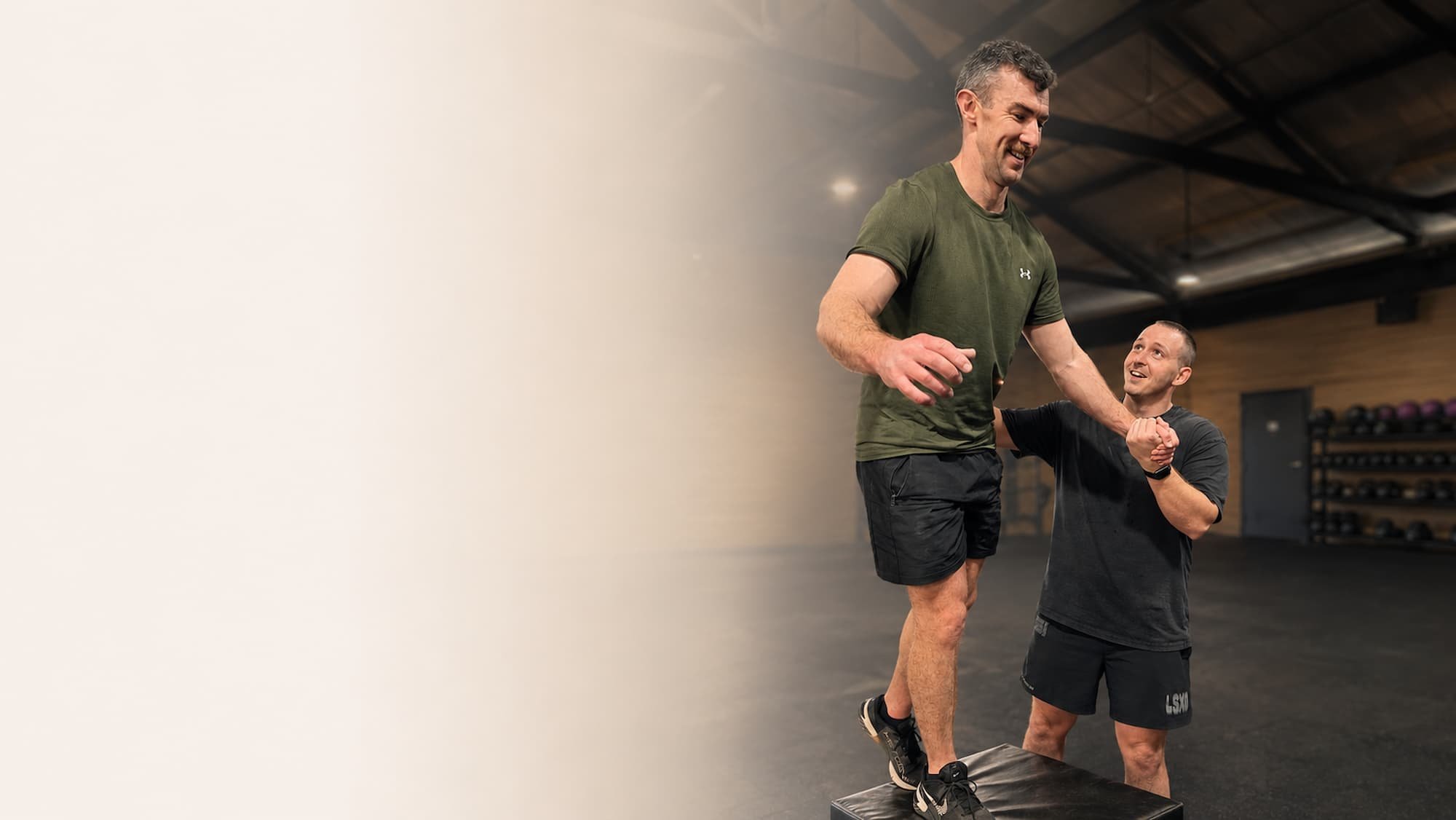
Dr Joshua Saxton combines osteopathy and exercise physiology to provide individualised rehabilitation based on your goals, current capacity and the activities that matter to you.
Reset what is limiting you.
Retrain useful movement.
Reload for work, sport and life.
Rehabilitation appointments with Josh will be available in Norwood from November 2026.
Hands-on care
To help manage pain and improve movement.
Exercise rehabilitation
To rebuild strength, mobility and confidence.
Progressive loading
To develop physical capacity and resilience.
Performance for life
To prepare for work, sport and everyday activities.
How Rehabilitation Works:
Reset, Retrain, Reload
We use a three-stage framework to guide rehabilitation from initial assessment and symptom management through to rebuilding strength, capacity and confidence.
The stages are not always linear and may overlap depending on your presentation and goals.
Reset
Settle the problem and create the opportunity for change
Assessment and clinical reasoning
Hands-on treatment where appropriate
Pain-management strategies
Mobility and isometric exercise
Education and activity modification
Establishing a manageable starting point
Retrain
Rebuild movement quality, control and confidence
Restore useful mobility
Practise important movement patterns
Rebuild confidence
Use graded exposure
Improve balance and coordination
Establish consistent habits

Reload
Progressively rebuild strength, capacity and performance
Strength and conditioning
Progressive loading
Sport- or work-specific training
Return-to-activity preparation
Aerobic conditioning
Building physical resilience for the future
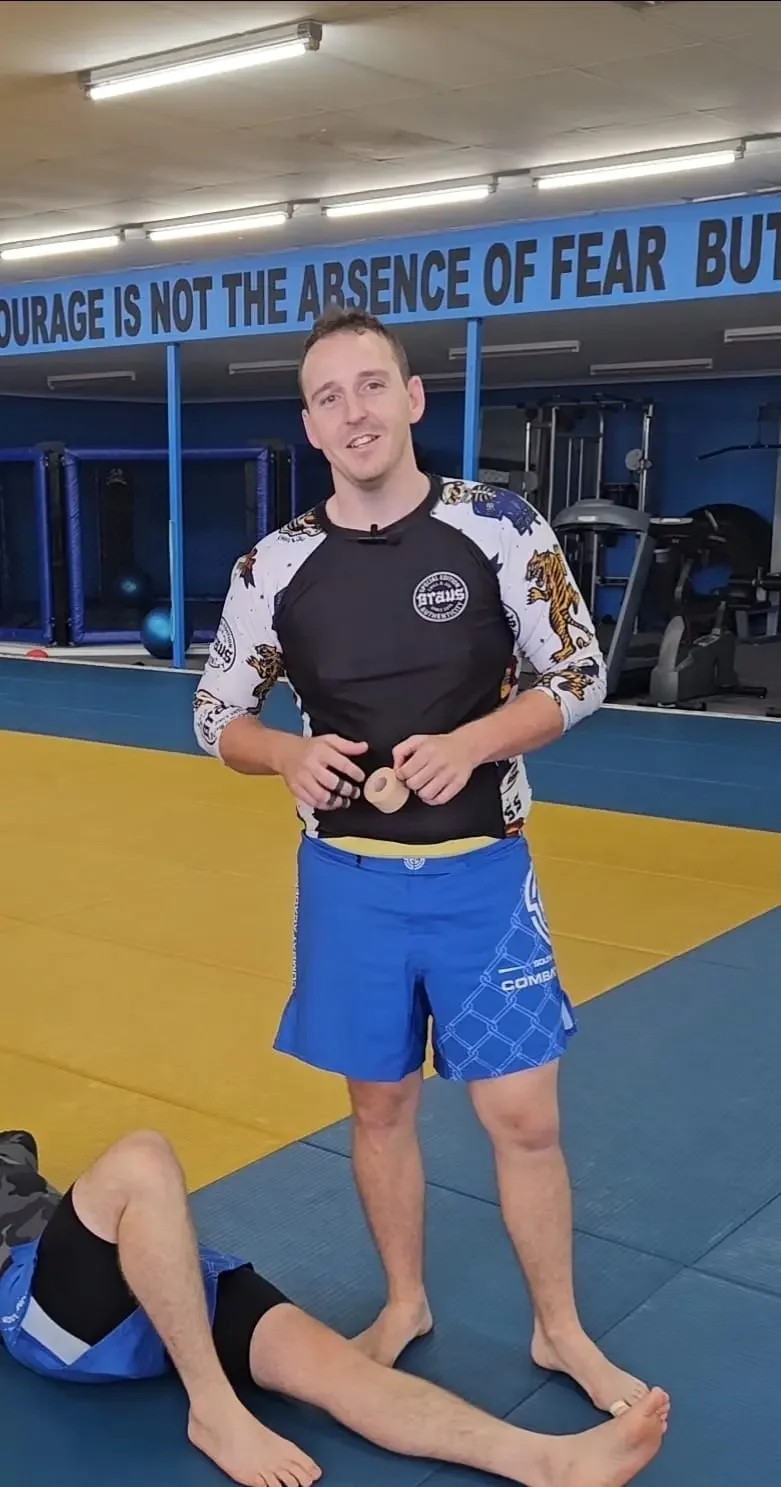
Meet Dr Joshua Saxton
Osteopath and Accredited Exercise Physiologist
Josh combines osteopathy and exercise physiology to provide individualised rehabilitation for musculoskeletal pain, injury recovery, return to activity and physical performance.
His approach may combine hands-on care, exercise prescription, education and progressive loading according to your presentation and goals.
Qualified in osteopathy and clinical exercise physiology
Evidence-informed assessment and exercise prescription
Experience across rehabilitation, strength training and combat sports
Works with people of different ages and activity levels
Clear education and collaborative goal setting
Focused on building capacity and independence
Sporting Background
Judo black belt with more than 20 years of experience
Represented Queensland in judo at national championships
Brazilian jiu-jitsu brown belt and Australian Open medallist
Background in rugby, strength training and CrossFit
Performance is not reserved for elite athletes.
It means being physically prepared for whatever matters in your life.
REHABILITATION FOR REAL LIFE
Build and maintain strength, mobility, balance and confidence with everyday activity.
Office Workers
Build tolerance for desk work, prolonged sitting and everyday movement.
Parents
Lift, carry and keep up with your children with greater confidence.
Manual Workers
Build strength and capacity for physically demanding work.
Older Adults
Maintain strength, mobility, balance and independence.
Recreational Athletes
Return to running, training and weekend sport with a structured plan.
Competitive Athletes
Rebuild the strength, conditioning and confidence required for higher-level performance.
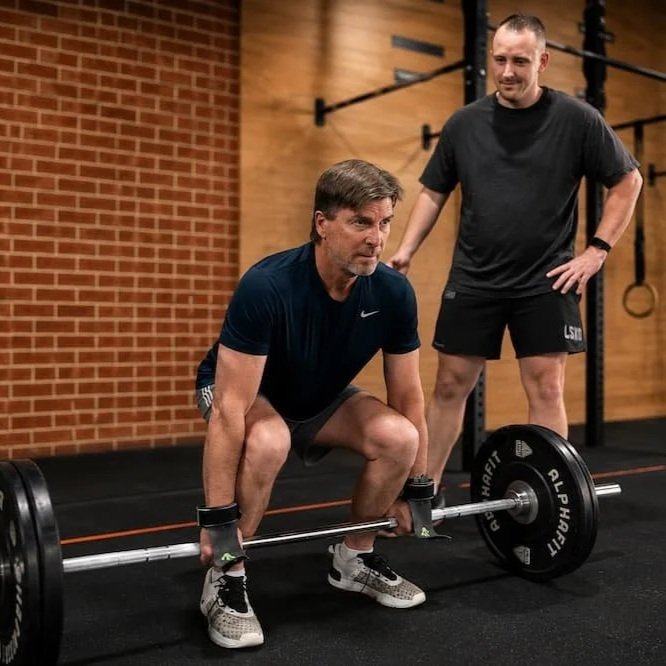
STRENGTH TRAINING BUILDS RESILIENCE
Appropriately prescribed strength training can:
Help reduce recurrence
Support muscle and tendon capacity
Support bone health
Contribute to healthy ageing
Improve general physical conditioning
Build confidence with demanding activities
Support injury-risk reduction
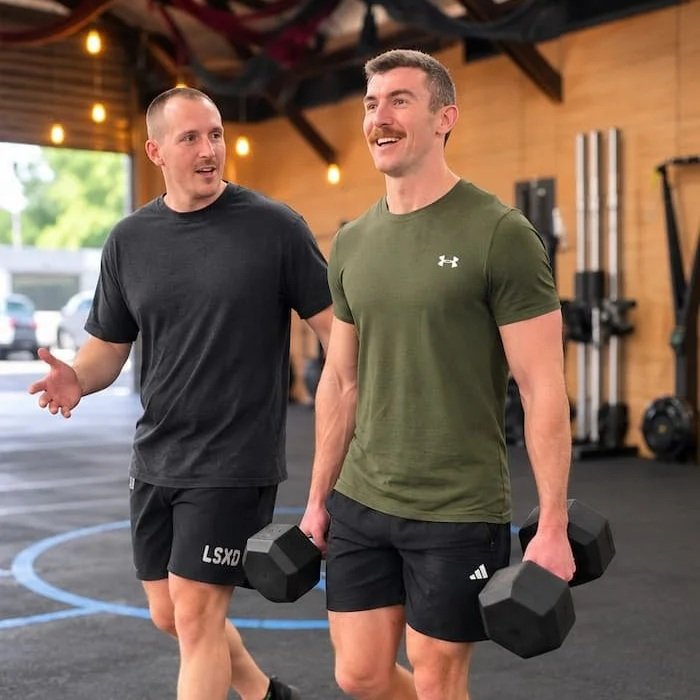
RETURN TO SPORT WITH CONFIDENCE
Return-to-sport rehabilitation may include:
Progressive loading
Movement-quality assessment
Strength and capacity benchmarks
Running, jumping or change-of-direction progressions
Sport-specific preparation
Confidence and readiness
Gradual exposure to training demands
Feeling better is useful.
Returning confidently may also require preparing for the actual physical demands of your sport.
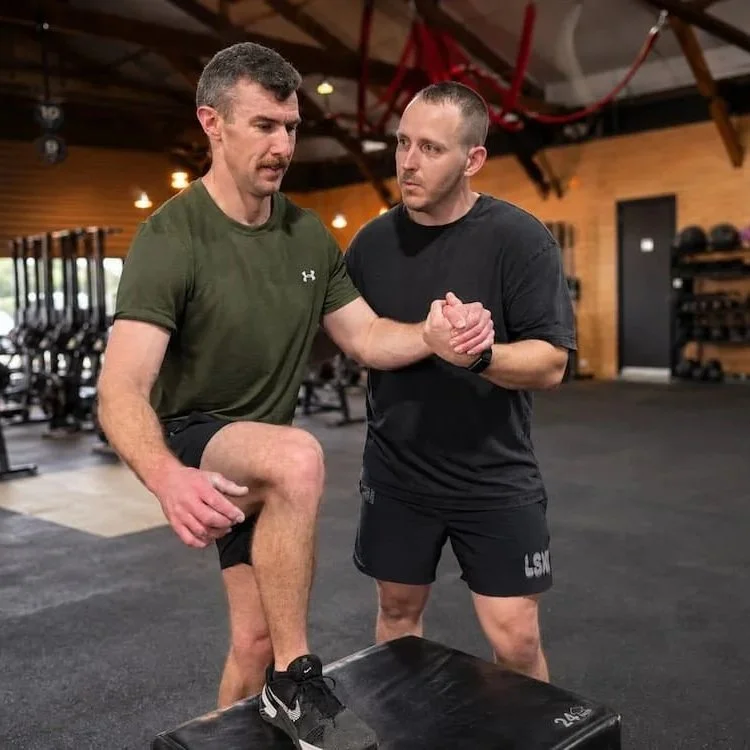
PERSISTENT PAIN & REBUILDING CONFIDENCE
Rehabilitation for persistent pain may include:
Pain education
Pacing and activity planning
Graded exposure
Improving tolerance to meaningful activities
Rebuilding strength and physical capacity
Reducing fear and uncertainty around movement
Developing strategies for symptom flare-ups
Supporting long-term self-management
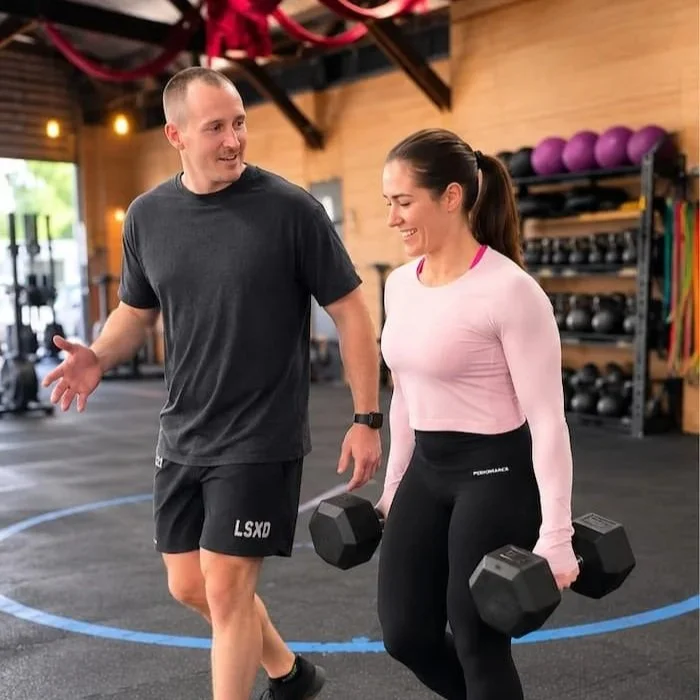
GLP-1 SUPPORT & HEALTHY LIFESTYLE
People using GLP-1 medications may benefit from an appropriate exercise and activity plan that supports strength, muscle function and long-term physical health.
Support may include:
Resistance-training prescription
Supporting muscle retention during weight loss
Gradual increases in physical activity
General education about adequate protein intake
Exercise modifications where fatigue or nausea affects activity
Behaviour-change support
Developing realistic and sustainable habits
* We do not prescribe or alter medication, provide individualised meal plans or replace the advice of your doctor or dietitian.
CONDITIONS WE COMMONLY HELP REHABILITATE
Neck, shoulder and upper-back pain
Low-back and hip pain
Knee pain and osteoarthritis
Tendon pain involving the shoulder, elbow, hip, knee or Achilles tendon
Sporting injuries
Running-related injuries
Gym and training injuries
Post-operative rehabilitation
Persistent musculoskeletal pain
Reduced balance and falls risk
General deconditioning
Difficulty returning to work or exercise
Suitability depends on your individual presentation. Where medical investigation or another health professional is required, we will discuss this with you.
WHAT TO EXPECT
1. Comprehensive Assessment
We assess what may be contributing to the problem, not only where it hurts.
2. Clear Plan and Education
You will understand the proposed rehabilitation pathway and how it connects with your goals.
3. Hands-On Care Where Appropriate
Treatment may be used to help manage symptoms and create an opportunity for movement.
4. Individualised Exercise Prescription
Exercises are selected according to your condition, stage of rehabilitation, goals and lifestyle.
5. Progressive Rehabilitation
Your program is reviewed and progressed as your strength, confidence and capacity change.
6. Independent Management
The long-term aim is to help you become more confident and less reliant on appointments.
Frequently Asked Questions
-
Some conditions can involve a manageable level of discomfort during or after exercise. That does not automatically mean the exercise is harmful, but the appropriate response depends on the condition, the severity of the symptoms and how quickly they settle.
Josh will explain what responses may be acceptable, what should be modified and which symptoms require reassessment.
Rehabilitation is not about ignoring warning signs or forcing your way through significant pain.
-
There is no standard number.
The length of rehabilitation depends on factors such as the nature of the problem, how long it has been present, your goals, your current physical capacity and how independently you can complete your program.
Some people may only need assessment, education and a short period of guidance. Others may require a longer progression after surgery, significant injury, persistent pain or deconditioning.
Your progress and need for further appointments will be reviewed openly.
-
Post-operative rehabilitation may be provided when it is appropriate for your procedure and stage of recovery.
Your program will consider healing timeframes, surgical restrictions and instructions from your surgeon or treating team. Rehabilitation may progress from restoring movement and basic function through to strength, work demands, gym training or sport-specific activity.
Where necessary, Josh can communicate with your surgeon, GP, physiotherapist or other treating professionals.
-
Rehabilitation is not limited to new injuries.
Persistent pain can sometimes lead to reduced activity, loss of strength, deconditioning and concern about movement. Rehabilitation may involve education, pacing, graded exposure, strength training and gradually rebuilding confidence with meaningful activities.
The aim is not to dismiss pain or tell you to simply push through it. It is to identify a manageable starting point and progressively expand what you feel able to do.
-
Yes.
Return-to-sport and return-to-gym rehabilitation may involve rebuilding movement, strength, conditioning, confidence and tolerance to training.
Depending on your activity, this may include resistance training, running, jumping, change-of-direction work, gym-lift progressions or sport-specific drills.
Feeling less pain is useful, but returning safely and confidently may require progressively preparing for the actual demands of your training or sport.
-
Josh can assist with exercise prescription, resistance training, gradual increases in activity and general education about maintaining strength and physical function.
He does not prescribe medication, alter medication doses, provide individualised meal plans or replace the advice of your prescribing doctor or dietitian.
Any concerns about medication, side effects or nutritional adequacy should be discussed with the appropriate medical or nutrition professional.
-
Reset → Retrain → Reload is the framework Josh uses to guide rehabilitation.
Reset focuses on understanding the problem, settling unnecessary aggravation and creating an appropriate starting point.
Retrain involves restoring useful movement, rebuilding confidence and practising the tasks that have become difficult.
Reload progressively develops strength, conditioning and physical capacity for work, exercise, sport or everyday life.
These stages often overlap. They provide a clear pathway from managing the immediate problem to becoming more confident and independent.
-
No.
Performance means being physically prepared for whatever matters in your life. That could mean returning to competitive sport, but it could also mean working comfortably, gardening, hiking, lifting your children, playing with your grandchildren or maintaining your independence as you age.
Your rehabilitation plan is based on your goals and current capacity, not on how athletic or experienced you are.
-
Osteopathy focuses on assessing and managing musculoskeletal pain and movement problems. Care may include hands-on treatment, education, activity advice and exercise.
Exercise physiology places greater emphasis on structured exercise prescription, physical conditioning and the progressive development of strength and functional capacity.
As both an Osteopath and Accredited Exercise Physiologist, Josh can combine these approaches within one coordinated rehabilitation plan.
-
Most new patients should begin with an Initial Osteopathy Appointment.
This provides enough time to discuss your history, assess the problem and understand what you want to return to. Josh can then determine whether your initial management should focus on hands-on care, exercise rehabilitation or a combination of both.
Exercise progression and longer-term rehabilitation can be incorporated into follow-up appointments.
-
No.
Your program can be designed around the equipment, time and environment available to you. Rehabilitation may begin with bodyweight exercises, resistance bands, household items or simple walking and movement tasks.
A gym may become helpful when heavier resistance or more specialised equipment is required, but it is not necessary for starting rehabilitation.
-
No. Exercise selection is based on your presentation, goals, symptoms, current capacity, confidence, exercise experience and available equipment.
Your program should also change as you progress. Exercises may be modified by altering their resistance, range, repetitions, speed, complexity or overall workload.
The aim is to provide a focused program that is realistic enough to complete consistently, not an overwhelming list of exercises that ends up living permanently on the kitchen bench.
Ready to Reset, Retrain and Reload?
Whether you are managing pain, recovering from injury or preparing to return to work, exercise or sport, we can help you develop a clear pathway forward.
From November 2026, Dr Joshua Saxton will provide osteopathy, exercise rehabilitation and return-to-activity care from Bounce Back Osteopathy in Norwood.
Most new patients should begin with an Initial Osteopathy Appointment. This allows time to discuss your history, assess the problem and determine whether your initial management should involve hands-on care, exercise rehabilitation or a combination of both.